Root Canal Treatment in Mijas: When Tooth Decay Reaches the Nerve and How to Save Your Tooth
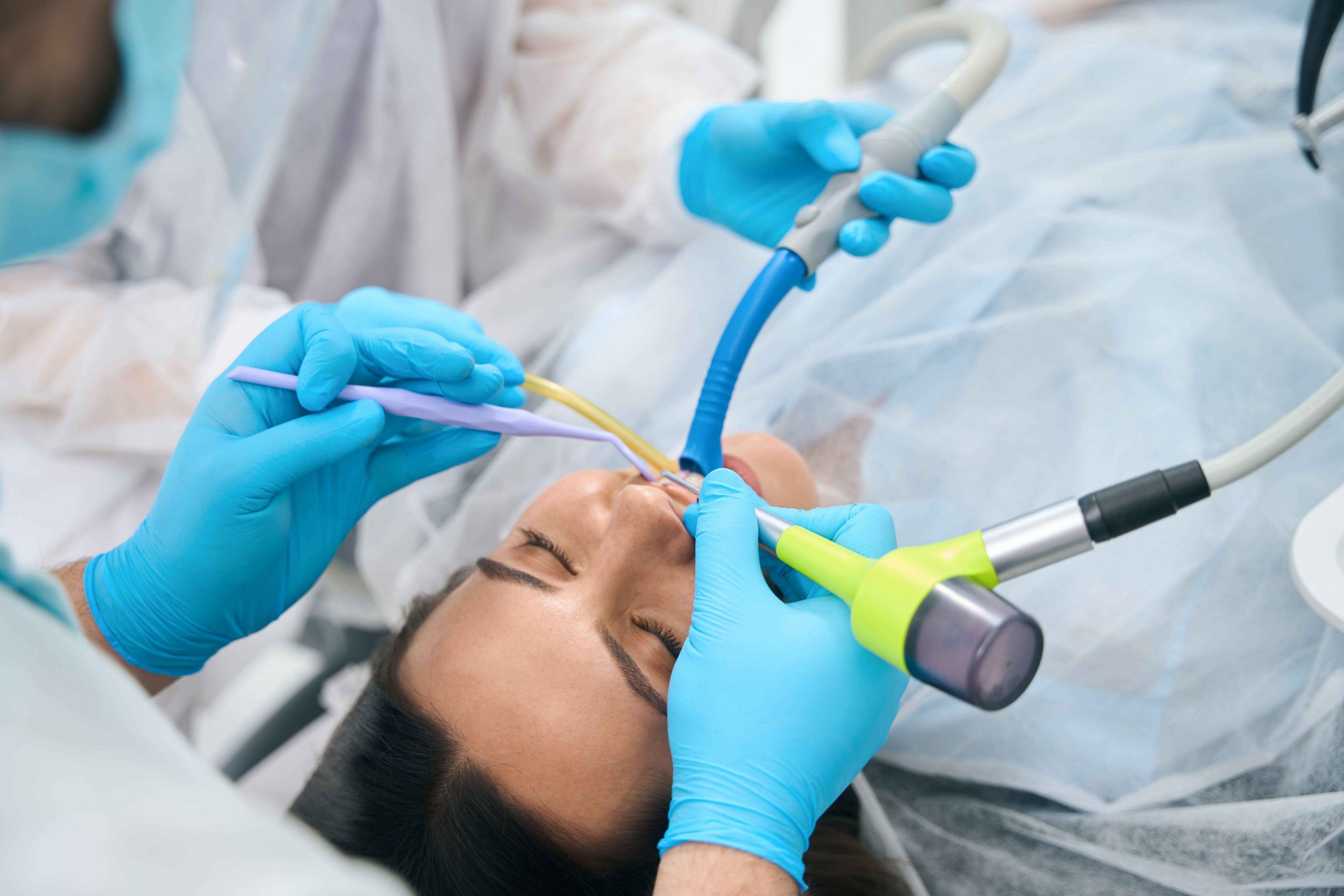
Tooth pain can start as a mild discomfort, but when it becomes intense, persistent, or painful when chewing, it may be a sign that something more serious is happening inside the tooth. In many cases, deep tooth decay, infection, or dental trauma can affect the nerve of the tooth and make a root canal treatment necessary.
At Sermadent Clinic, we help our patients protect their oral health with personalized treatments, modern dental care, and close, professional attention. Our goal is always to preserve your natural teeth whenever possible and prevent dental problems from becoming more serious.
If you are looking for information about root canal treatment in Mijas, this article explains what the treatment involves, when it may be necessary, which symptoms you should not ignore, and how it can help save your natural tooth.
What Is a Root Canal Treatment?
A root canal treatment, also known as endodontic treatment, is a dental procedure performed when the pulp inside the tooth is damaged or infected. The pulp is the inner part of the tooth where the nerves and blood vessels are located.
When tooth decay progresses too far, when a crack allows bacteria to enter, or when the tooth suffers trauma, the inner pulp can become inflamed or infected. In these cases, root canal treatment allows the dentist to clean the inside of the tooth, remove the affected tissue, disinfect the root canals, and seal them to preserve the tooth.
Instead of removing the tooth, root canal treatment is designed to keep the natural tooth in place and restore its function.
When Might You Need a Root Canal?
Not every toothache requires a root canal, but there are warning signs that may indicate the nerve of the tooth is affected. Some of the most common symptoms include:
- Intense or persistent tooth pain.
- Prolonged sensitivity to hot or cold.
- Pain when chewing or applying pressure.
- Discoloration of a tooth.
- Swelling in the gum near the affected tooth.
- A dental abscess or gum boil.
- A bad taste in the mouth linked to infection.
- Pain that appears without any obvious trigger.
When these symptoms are present, it is important to visit a dental clinic in Mijas for a professional evaluation. Delaying dental care can allow the infection to progress and may make treatment more complex.
Deep Tooth Decay: One of the Most Common Causes
One of the most common reasons for needing a root canal is deep tooth decay. At first, a cavity may only affect the enamel or dentin, but if it is not treated in time, it can reach the dental pulp.
When bacteria reach the nerve, the tooth may become inflamed, painful, and infected. At this stage, a simple filling is usually no longer enough. Root canal treatment allows the problem to be treated from the inside while preserving the tooth.
This is why at Sermadent Clinic, we place strong importance on prevention and regular dental check-ups. Detecting tooth decay early can help avoid pain, infection, and more advanced treatments.
Does a Root Canal Hurt?
This is one of the most common questions patients ask. Many people associate root canal treatment with pain, but the reality is that the procedure is performed under local anesthesia and is designed to relieve the pain caused by infection or nerve inflammation.
During the procedure, the patient should not feel pain. After the treatment, there may be some sensitivity or mild discomfort for a few days, especially when chewing, but this can usually be managed by following your dentist’s instructions.
At Sermadent Clinic, we explain each step of the treatment clearly so that patients feel calm, informed, and supported throughout the process.
How Is a Root Canal Performed?
Each case must be evaluated individually, but the process usually includes several stages:
1. Dental Diagnosis
First, we carry out a clinical examination and, when necessary, take dental X-rays to assess the condition of the tooth, the depth of the decay, the presence of infection, and the shape of the root canals.
2. Local Anesthesia
Before starting the procedure, local anesthesia is applied to make the treatment comfortable for the patient.
3. Cleaning the Root Canals
The dentist accesses the inside of the tooth, removes the affected pulp tissue, and carefully cleans the root canals.
4. Disinfection and Sealing
Once the canals are cleaned, they are disinfected and sealed with specific dental materials to prevent bacteria from entering again.
5. Tooth Restoration
After the root canal treatment, the tooth must be restored. Depending on the case, it may require a filling, a larger reconstruction, or a dental crown to protect the tooth and restore its strength.
What Happens If You Do Not Treat a Dental Infection?
A dental infection does not usually go away on its own. Even if the pain temporarily decreases, the problem may continue progressing inside the tooth or into the surrounding bone.
Leaving a dental infection untreated can lead to:
- Dental abscesses.
- Swelling in the face or gums.
- Tooth loss.
- More intense pain.
- More complex dental treatments.
- Spread of infection to other areas.
For this reason, if you have strong tooth pain or think you may need a root canal treatment in Mijas, it is best to request an evaluation as soon as possible.
Root Canal or Tooth Extraction: Which Is Better?
Whenever possible, preserving the natural tooth is usually the best option. Tooth extraction may be necessary in some cases, especially if the tooth is severely damaged or has a poor prognosis, but it is not always the first option.
Root canal treatment can save teeth that might otherwise need to be removed. Keeping your natural teeth helps maintain your bite, appearance, chewing function, and overall oral health.
At Sermadent Clinic, we assess each case personally to recommend the most appropriate treatment based on the condition of the tooth and the patient’s needs.
How Long Does a Root Canal-Treated Tooth Last?
A tooth that has had root canal treatment can last for many years with proper care. Its longevity will depend on several factors, including the quality of the final restoration, oral hygiene, regular dental check-ups, and the overall condition of the mouth.
After a root canal, it is essential to follow your dentist’s instructions and attend follow-up appointments to make sure the tooth is healing properly.
It is also important to avoid biting very hard foods with the treated tooth until it has been fully restored.
Care After a Root Canal Treatment
After the procedure, we recommend following these basic care guidelines:
- Maintain good daily oral hygiene.
- Avoid chewing hard foods with the treated tooth until the final restoration is completed.
- Attend the follow-up appointment recommended by your dentist.
- Do not ignore persistent discomfort.
- Schedule professional dental cleanings when needed.
- Protect the tooth with a crown if your dentist recommends it.
The treatment does not end with cleaning the canals. The final restoration is key to keeping the tooth strong, functional, and protected.
Why Choose Sermadent Clinic?
At Sermadent Clinic, we work with a close, honest, and personalized approach. We know that visiting the dentist because of pain or fear of losing a tooth can create concern, so we guide each patient from diagnosis to recovery.
Our team carefully studies every case to offer solutions adapted to each patient’s real needs. Whether you have tooth pain, deep decay, or suspect you may need endodontic treatment, we are here to help you recover your oral health with confidence.
Root Canal Treatment in Mijas: Do Not Wait Until the Pain Gets Worse
Tooth pain is a warning sign. When decay or infection reaches the nerve, acting in time can make the difference between saving a tooth and losing it.
If you have discomfort, prolonged sensitivity, swelling, or pain when chewing, Sermadent Clinic can evaluate your case and explain the treatment options available.
Book your appointment with our team and protect your smile before the problem progresses.
