Dental Cleaning or Teeth Whitening? Differences and Which Is Right for You

A professional dental cleaning removes plaque, tartar and some surface stains, but it does not change the natural colour of your teeth. Teeth whitening, on the other hand, is a cosmetic treatment designed to lighten their shade. If both treatments are recommended, the cleaning is usually performed first, although the order should be decided after assessing the condition of your teeth and gums.
It is common to confuse these treatments because both can make your smile look healthier and brighter. However, they do not have the same purpose or work in the same way. Choosing between a professional dental cleaning and teeth whitening depends on whether the problem is a build-up of plaque and tartar, surface staining or the natural colour of your teeth.
In this article, we explain the main differences between teeth whitening and professional dental cleaning, what each procedure can achieve and why it is advisable to have a dental assessment before making a decision.
Teeth Whitening and Dental Cleaning: Key Differences
The essential difference is simple: professional dental cleaning is a preventive oral health procedure, whereas teeth whitening is a cosmetic treatment.
| Aspect | Professional dental cleaning | Teeth whitening |
|---|---|---|
| Main purpose | Remove plaque, tartar and adhered deposits | Lighten the shade of natural teeth |
| What it acts on | Tooth surfaces and areas close to the gums | Pigments responsible for tooth colour |
| Does it change the natural tooth colour? | No | Yes, within the possibilities of each individual case |
| Can it remove stains? | Some surface stains | Certain types of tooth discolouration |
| When is it recommended? | When deposits are present or as part of an individually recommended preventive care plan | When the mouth is healthy and the patient wishes to lighten the shade of their teeth |
| Expected result | A cleaner mouth with the natural tooth colour more visible | Lighter natural teeth |
A professional cleaning can therefore improve the appearance of your smile without being a whitening treatment. By removing tartar and certain external stains, it reveals a cleaner appearance while preserving the natural colour of your teeth.
What Does a Professional Dental Cleaning Achieve?
A professional dental cleaning, also known as dental prophylaxis, removes deposits that cannot always be eliminated through brushing at home. Its main purpose is to help maintain the health of your teeth and gums.
Removing Plaque and Tartar
Dental plaque is a film that continually forms on the teeth. If it is not removed completely, it can mineralise and turn into tartar. Once hardened, tartar becomes firmly attached to the tooth surface and must be removed using professional instruments.
Professional cleaning removes these visible deposits and treats areas that are difficult to reach. However, if periodontal pockets or deposits below the gum line are present, deeper treatment may be required. A routine dental cleaning is not a substitute for periodontal treatment.
If you would like to learn more, you can read about the cost of periodontal treatment and the factors that may affect the final estimate.
Removing Certain Surface Stains
Coffee, tea, tobacco, red wine and other habits can cause external stains. Some of this discolouration may be removed during a professional cleaning, depending on its cause and how firmly it is attached.
Removing these stains may make the teeth appear slightly brighter. However, if you would like to lighten their natural shade after the surfaces have been cleaned, teeth whitening may need to be considered.
Gum Care and Prevention
A build-up of plaque and tartar near the gum line can contribute to inflammation and bleeding. Removing these deposits and reviewing your daily oral hygiene can help keep your gums in better condition.
Professional cleaning should not be scheduled at the same frequency for everyone. The appropriate interval depends on factors such as the tendency to accumulate tartar, oral hygiene, periodontal health, certain habits and each patient’s dental history.
Does a Dental Cleaning Whiten Your Teeth?
Not in the strict sense. A dental cleaning does not change the internal colour of the tooth. Its visual effect comes from removing plaque, tartar and certain external stains that were concealing the natural shade.
Imagine a tooth with a naturally ivory shade and coffee stains on its surface. A professional cleaning may remove some of these stains and restore its original appearance, but it cannot make the tooth whiter than its natural colour.
Understanding this difference helps prevent a common misconception: expecting a dental cleaning to produce the same result as teeth whitening. Before recommending a treatment, the dentist must determine whether the discolouration is caused by attached deposits, a surface stain or pigmentation within the tooth itself.
What Does Teeth Whitening Achieve?
Teeth whitening is a cosmetic treatment designed to lighten the shade of natural teeth using specific products under professional supervision. It does not remove tartar or replace professional dental cleaning.
How Teeth Whitening Changes Tooth Shade
Whitening agents penetrate the dental tissue and act on the molecules responsible for certain types of discolouration. The possible change is not the same for everyone: the initial shade, the cause of the staining, the tooth structure and the individual response all influence the result.
The aim should therefore not be to achieve an artificial white or choose a predetermined number of shades without first assessing the case. A more appropriate goal is a harmonious improvement that is compatible with your dental health and the characteristics of your smile.
Which Stains May Respond to Treatment?
Teeth whitening may be suitable for discolouration associated with ageing or certain habits, such as frequent consumption of coffee, tea or red wine, or tobacco use. However, not every change in tooth colour responds in the same way.
A tooth that has darkened after trauma, staining caused by certain medicines or a developmental alteration may require a different diagnosis and approach. When only one tooth has changed colour, it is particularly important to identify the cause before treating it.
What Results Can You Expect?
The result varies from one patient to another, and a specific shade cannot be guaranteed without an assessment. Teeth whitening is also not permanent: over time, exposure to certain foods, drinks or tobacco may cause the colour to change again.
Your habits after treatment, oral hygiene and dental check-ups all influence how long the result lasts. The dentist will advise whether maintenance is appropriate and when it should be carried out.
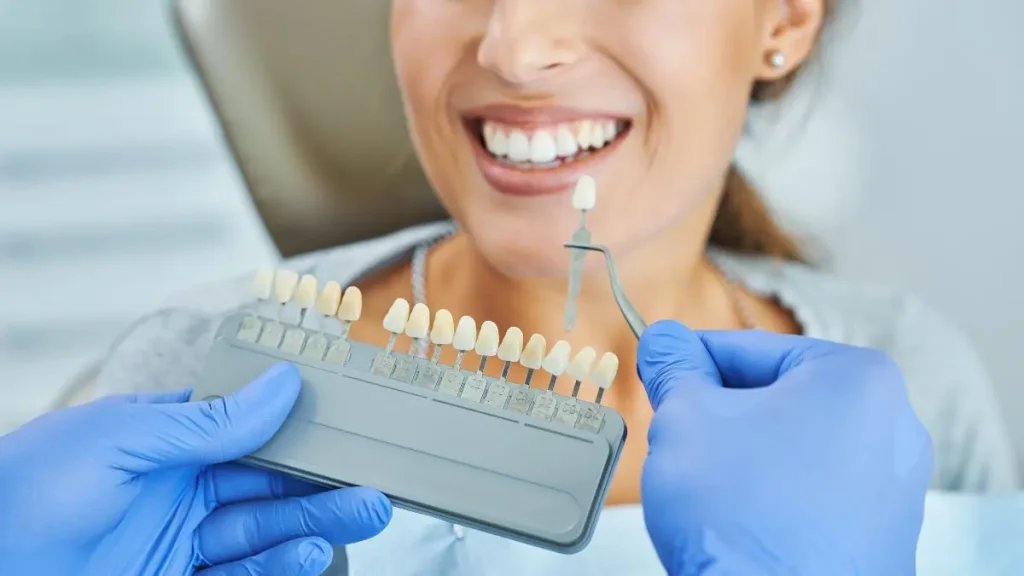
Which Do I Need: a Dental Cleaning or Teeth Whitening?
Which Do I Need: a Dental Cleaning or Teeth Whitening?
It is not always possible to determine which treatment you need simply by looking at the colour of your smile. A dental examination can identify the type of staining, check for tartar and confirm that your mouth is healthy.
If a tooth has changed colour or you do not know the cause: a diagnosis is advisable, particularly if the change is sudden, affects only one tooth or is accompanied by pain or sensitivity.
If you have tartar, plaque or surface stains: professional cleaning is usually the first step to remove the deposits and reveal the natural shade of your teeth.
If your teeth are healthy but you would like to lighten their shade: teeth whitening may be appropriate. Not everyone needs a professional cleaning immediately beforehand.
A quick guide: if you notice tartar or attached stains, you will probably need to begin with a professional dental cleaning. If your teeth are healthy and clean but you would like to lighten their shade, teeth whitening may be appropriate. A professional examination is required to confirm which option is right for you.
Which Comes First: Dental Cleaning or Teeth Whitening?
When both professional cleaning and teeth whitening are recommended, the usual order is:
- Check the teeth and gums. Before considering any cosmetic treatment, it is necessary to confirm that the mouth is healthy.
- Carry out a professional cleaning if required. Removing tartar and external stains makes it easier to assess the true colour of the teeth.
- Begin the whitening treatment. This is carried out when the teeth and gums are in suitable condition and according to an individually tailored treatment plan.
Not everyone needs a professional cleaning immediately before teeth whitening. The appropriate interval between the two procedures will depend on the condition of the gums, any sensitivity and the type of treatment performed.
Can Dental Cleaning and Teeth Whitening Be Done on the Same Day?
It may be possible in certain cases, but it is not always the most appropriate option. If the cleaning causes sensitivity or gum inflammation is present, it may be preferable to wait. The amount of tartar removed and the type of whitening treatment planned must also be considered.
Patient comfort and safety should take priority over speed. After examining your mouth, the dental team can advise whether both procedures can be carried out during the same appointment or should be scheduled separately.
Does Teeth Whitening Work on Crowns, Veneers and Fillings?
Conventional teeth whitening acts on natural teeth, but it does not lighten crowns, veneers, implants or fillings in the same way. The presence of visible restorations must therefore be considered before beginning treatment.
Crowns and Veneers
The colour of a crown or veneer is determined by the material from which it was made. If the natural teeth become lighter, a colour difference may appear between them and the restorations. Before recommending treatment, the dentist will assess their position, visibility and condition.
Composite Fillings
Tooth-coloured fillings do not change colour in the same way as enamel. A restoration that previously blended well with the tooth may become more noticeable after whitening, particularly when it is located in a visible area.
Planning Tooth Colour When Restorations Are Needed
When an aesthetic restoration is going to be placed or replaced, it is usually important to coordinate the order of treatment. First, the desired tooth shade is established. Once the colour has stabilised, the shade of the new restoration can be selected.
What If You Have Sensitive Teeth?
Tooth sensitivity is one of the temporary side effects that may occur during or after whitening treatment. Its intensity varies, and not everyone experiences it in the same way.
Having pre-existing sensitivity does not necessarily mean that whitening treatment is unsuitable, but it is important to mention it. The dentist can investigate its cause and adapt the concentration, application time, frequency or desensitising measures to your individual needs.
You should not begin using a whitening product on your own simply to see whether you can tolerate it. Sensitivity may be associated with tooth decay, cracks, wear, gum recession or other problems that should be assessed first.
Frequently Asked Questions About Dental Cleaning and Teeth Whitening
Can a Dental Cleaning Remove Coffee or Tobacco Stains?
It can remove some surface stains caused by coffee, tea, wine or tobacco. The result depends on the type and depth of the staining. If the discolouration forms part of the natural tooth colour, teeth whitening may need to be considered.
How Many Shades Can Teeth Whitening Lighten?
There is no single figure that applies to everyone. The result depends on the initial shade, the cause of the discolouration and the individual response. A prior assessment allows us to establish realistic expectations, but not to guarantee an exact shade of white.
Does Teeth Whitening Damage Enamel?
When whitening is appropriately recommended and professionally supervised, a protocol designed to protect the teeth and gums is followed. Even so, temporary sensitivity or irritation may occur. Unregulated products or products used incorrectly can cause problems.
Can I Have Teeth Whitening If I Have Tooth Decay?
Tooth decay and other active dental problems must be diagnosed and treated first. The dentist will also examine existing fillings, your gums and any sensitive areas to determine whether whitening is appropriate.
How Long Do the Results Last?
The result is not permanent. How long it lasts depends on your habits, oral hygiene, consumption of staining substances and aftercare. The dentist may recommend individually tailored reviews or maintenance.
How Often Should You Have a Professional Dental Cleaning?
Not everyone needs a professional cleaning at the same frequency. The appropriate interval depends on tartar build-up, gum health, oral hygiene, periodontal history and other risk factors. A dental check-up allows the dentist to recommend a suitable schedule.
Request a Cosmetic and Oral Health Assessment at Sermadent
Our clinic is located in Las Lagunas de Mijas, near Fuengirola. You will receive a clear explanation of what each procedure can achieve and the most appropriate order for your particular case.
The aim is not to carry out more treatment, but to recommend what you genuinely need to protect your oral health and improve your smile with realistic expectations.

Dr María José Pérez Medero
Specialist in Orthodontics, Prosthodontics and Cosmetic Dentistry, and Director of Sermadent dental clinic in Las Lagunas de Mijas, near Fuengirola.
Degree in Dentistry. Her practice focuses on providing personalised treatments that combine oral health, function and dental aesthetics.
Registration no. 29002006 — Official College of Dentists of Málaga

